Child's Nail Set Fell Off Within a Week, Then a Tense Billing Dispute at Splendor Nails Spa
A mother says her daughter's nails all came off within a week of a paid service, and that raising the issue led to a tense exchange with management over an additional charge. A look at what went wrong on both fronts.
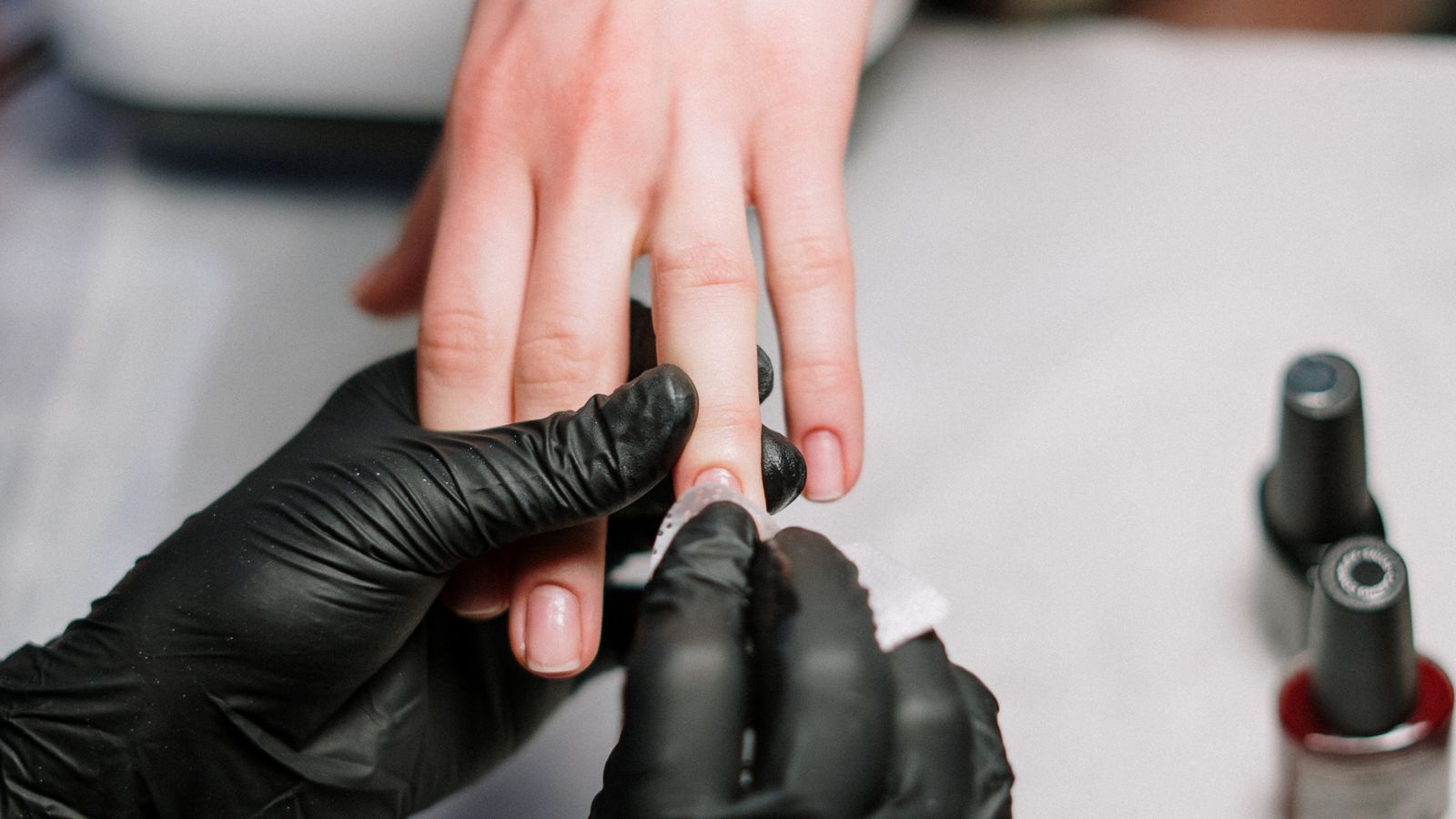
A mother brought her daughter to Splendor Nails Spa for a nail service and paid a higher than expected amount for it. According to her account, the set had completely fallen off within a week. When she went back to raise the issue, she says the manager responded in a way she found unprofessional, and that she was still asked to pay again for any fix. She left saying she felt the salon prioritized revenue over quality and customer care, and that she would not be returning. This case touches on two connected issues: a service that did not hold up, and a follow up conversation that made a frustrating situation worse.
Looking at Why the Set Failed So Quickly
A full set falling off entirely within a week points to an adhesion problem rather than normal wear. As with other early failure cases, this usually traces back to nail bed prep, insufficient cure time, or a mismatch between the product used and the technique applied. Because the client involved was young, it is also worth considering whether the application process accounted for a child's more active hands and daily habits, which can put extra stress on a set compared to an adult client. Reviewing the specific product and technique used on younger clients, and considering whether adjustments are needed for durability, is a reasonable next step here.
Reconsidering How a Redo Is Handled
Being asked to pay again for a fix after a set failed this quickly is likely to feel unfair to any client, and particularly so to a parent who already paid a premium price for a service on her child's behalf. When a set fails well within the timeframe it should reasonably last, offering a no charge redo, rather than treating it as a new paid service, goes a long way toward showing the client the salon stands behind its work. Clear internal guidelines on when a redo should be complimentary can help managers respond consistently rather than leaving the decision to an in the moment judgment call.
Managing a Difficult Conversation Professionally
The client's account of the manager's response, described as rude and unprofessional, points to a missed opportunity to de escalate rather than add to her frustration. A parent raising a concern about a service provided to her child is likely to be especially sensitive to how that concern is received. Training managers and staff to respond calmly, acknowledge the complaint directly, and explain any policy clearly rather than defensively can change the entire tone of these interactions, even when the salon's final answer on pricing does not change.
Editorial Perspective
A few lessons come out of this case. First, a set that fails within days rather than weeks deserves a look at prep and application technique, with particular attention to durability for younger clients. Second, redoing a failed service at no additional charge, especially this soon after the original appointment, helps preserve trust with a client who already paid full price. Third, how a complaint is handled in the moment, especially one involving a parent and child, matters as much as the resolution itself, and a calm, professional response can prevent a fixable issue from turning into a lost customer.
This account reflects the customer's own description of her experience, including how the follow up conversation with management unfolded, and is shared here for training and educational purposes rather than as a verified finding.
More in Beauty & Wellness
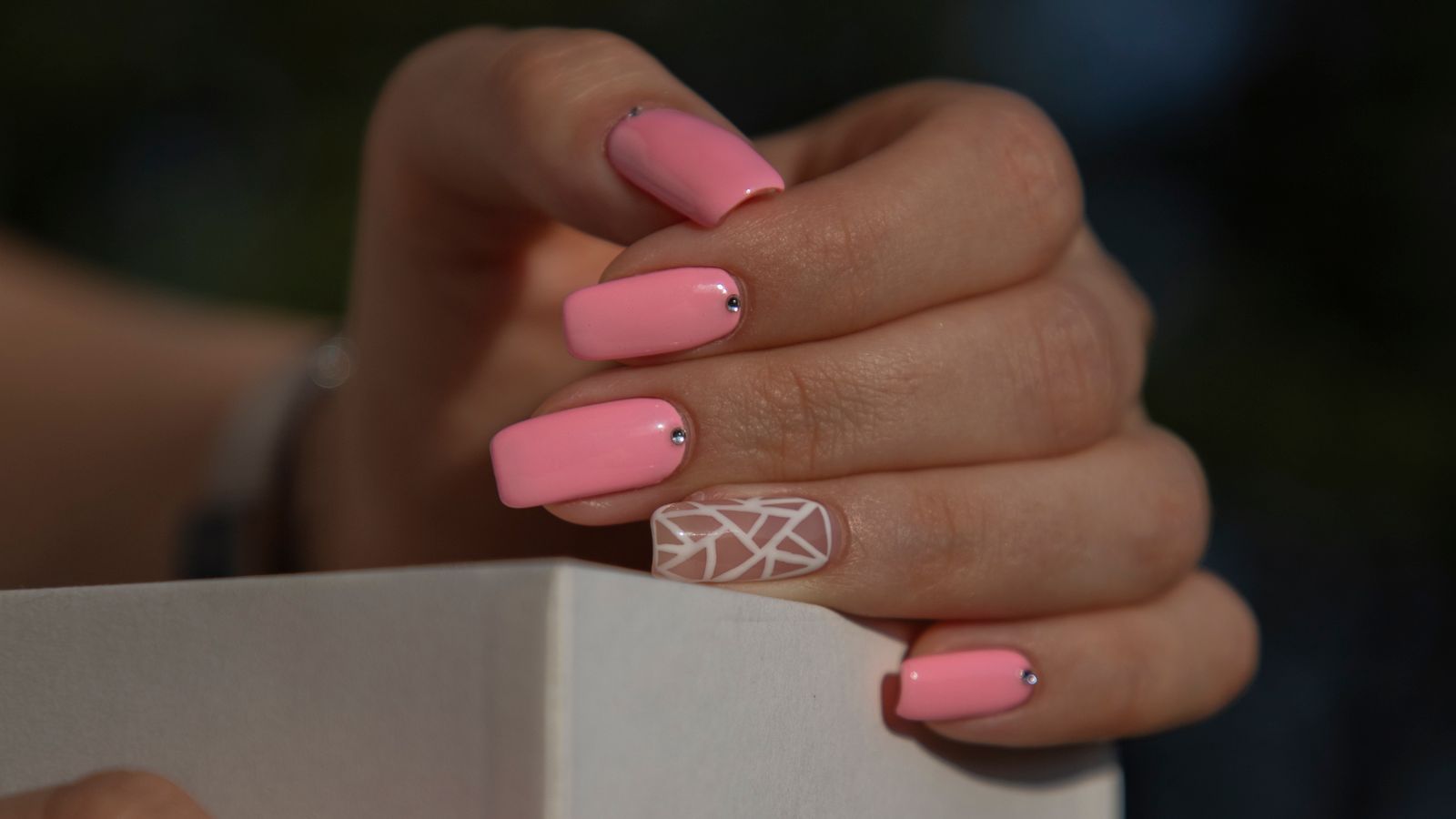
Design and Color Didn't Match What Was Promised, Plus Mismatched Nail Shapes at Snazzy Nail Lounge
A client says she confirmed a design and chrome color with the technician beforehand, only to learn mid-service that a key color wasn't available, and one hand was shaped differently than the other. A look at what happens when expectations aren't checked against reality.
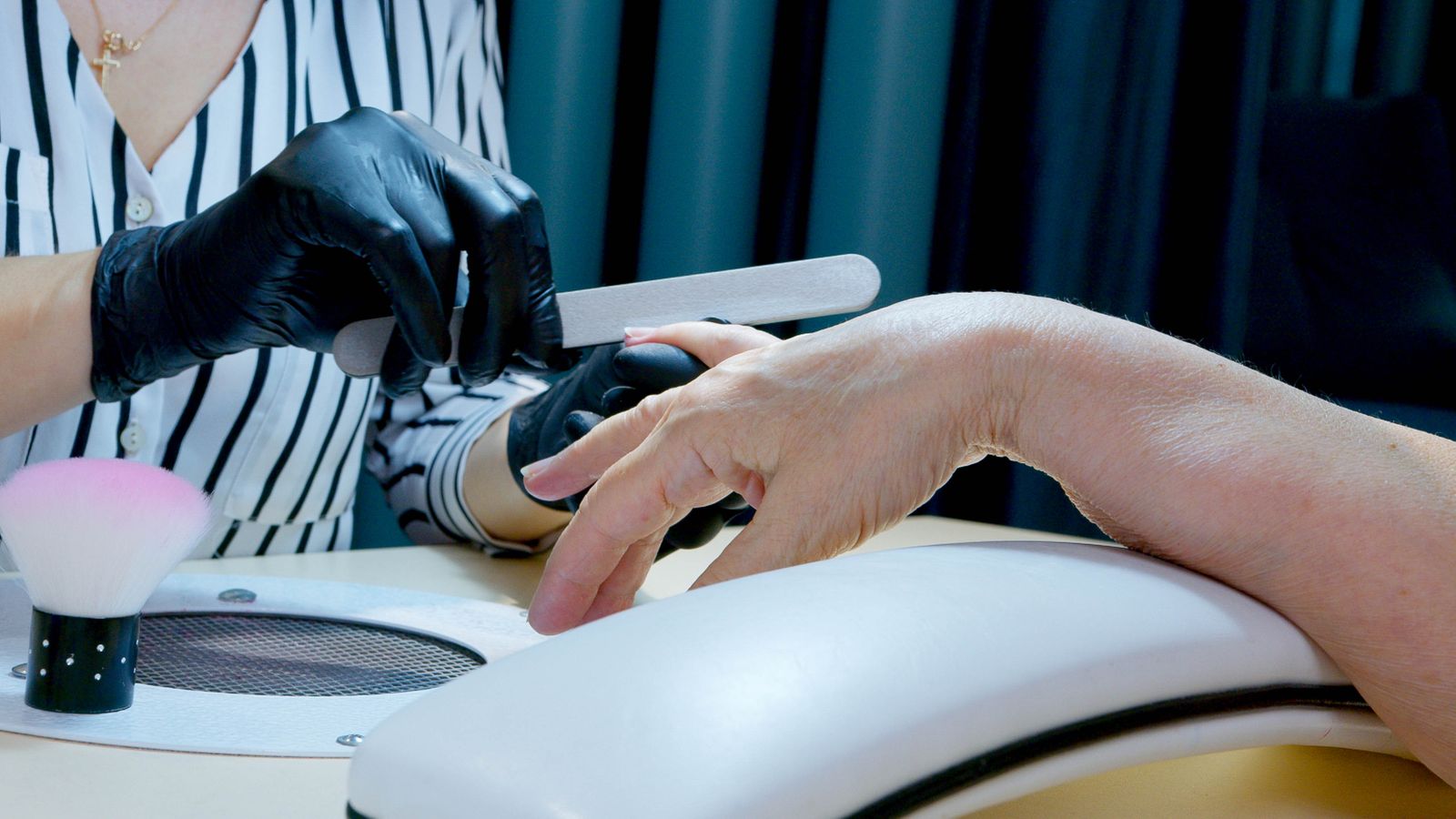
Inconsistent Prices and a Hidden Gel Charge Leave a Returning Customer Feeling Overcharged at Buckhead Nail and Toe Spa
A longtime customer felt prices were applied unevenly, paid $90 for a pedicure after an unmentioned $20 gel charge, and learned other clients paid less for more design work. A look at clear, consistent pricing and disclosing what a service includes.
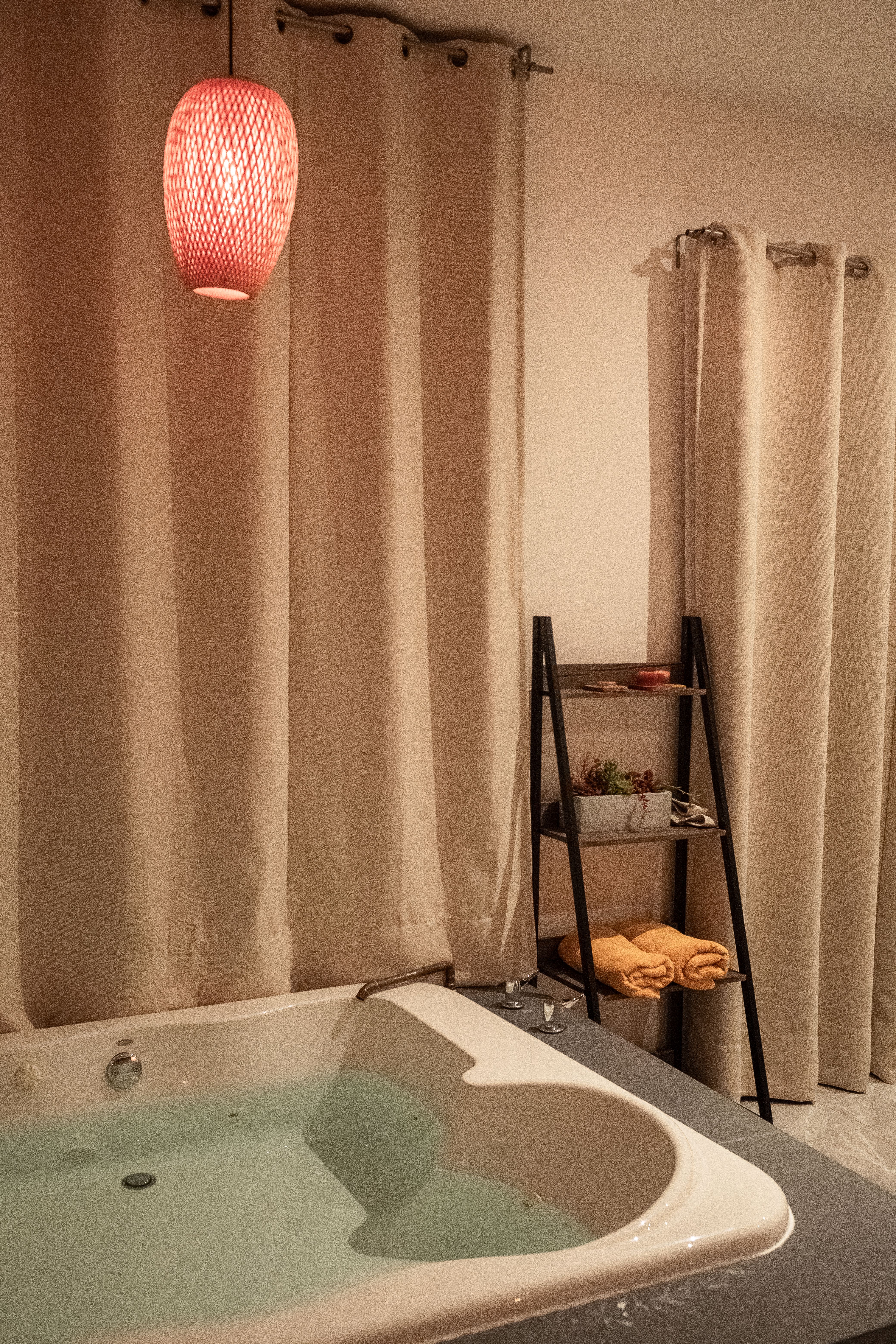
Savannah Historic District Resort Spas Expand Weekend Wellness Packages
Savannah historic district resort spas are expanding multi-day wellness packages aimed at weekend travelers looking for a relaxation-focused alternative to the district's traditional walking tours.