Inconsistent Prices and a Hidden Gel Charge Leave a Returning Customer Feeling Overcharged at Buckhead Nail and Toe Spa
A longtime customer felt prices were applied unevenly, paid $90 for a pedicure after an unmentioned $20 gel charge, and learned other clients paid less for more design work. A look at clear, consistent pricing and disclosing what a service includes.
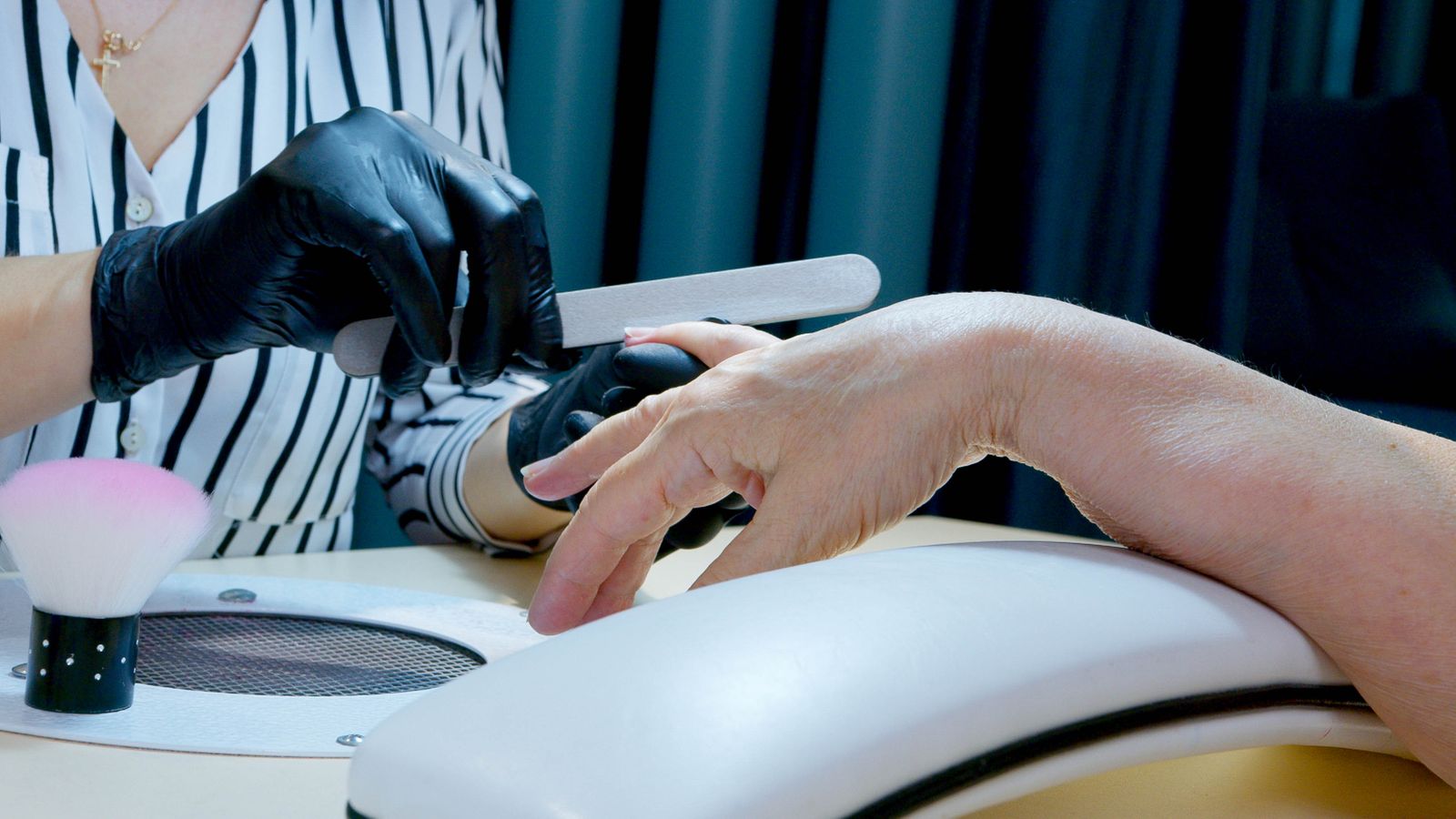
Loyal customers notice pricing more closely than anyone, because they remember what they used to pay and they compare. This report on Buckhead Nail and Toe Spa comes from exactly that kind of client, a returning customer who had visited many times over the years and left this visit feeling she had been overcharged. Her points are all about transparency and consistency, and both are simple to get right.
Prices That Felt Inconsistent
The client was upfront that she understood prices had gone up over time, which is fair and expected. What bothered her was the sense that charges were applied unevenly from one customer to the next, in her words that the salon seemed to pick and choose when to overcharge. Her example was striking: she was charged around $110 for a short French tip with a few rhinestones, while two other clients she spoke with afterward had paid about $100 for designs on all ten nails. She had also kept her set short and simple on purpose, since she works as a medical assistant and cannot wear long nails, so the total felt especially high for what she received. A clear, posted price list that applies the same way to everyone is what prevents this feeling, because when two customers pay similar amounts for very different work, the one who got less will always feel singled out.
Add-Ons That Weren't Clear
The other issue was knowing what a price actually included. A $70 pedicure was presented on the menu, but it did not cover gel, which added another $20 and brought it to $90, something she wished she had been told before agreeing. Disclosing inclusions up front, such as saying plainly that gel is an added charge, lets a client choose with full information instead of being surprised at checkout. She also mentioned amenities she values, like the mimosa and hookah that were part of why she made the 30-minute drive, but had to ask for rather than being offered. Naming what is and is not included, and offering the little extras proactively, turns pricing from a source of doubt into part of the experience.
Editorial Perspective
The encouraging part is that everything here is about clarity, which costs nothing to fix. First, keep pricing consistent and posted, so the same service costs the same for every client and no one feels charged more than the person beside them. Second, disclose exactly what each price includes, especially add-ons like gel, before the service begins, so the total is never a surprise. Third, honor loyalty: a customer returning over many years deserves to feel her history is recognized, and if prices have risen, a brief, friendly explanation goes a long way. Finally, offer the amenities that set the salon apart rather than waiting to be asked. Handled with a clear menu and open communication, this longtime client would have felt valued and fairly charged, and kept making the drive back.
More in Beauty & Wellness
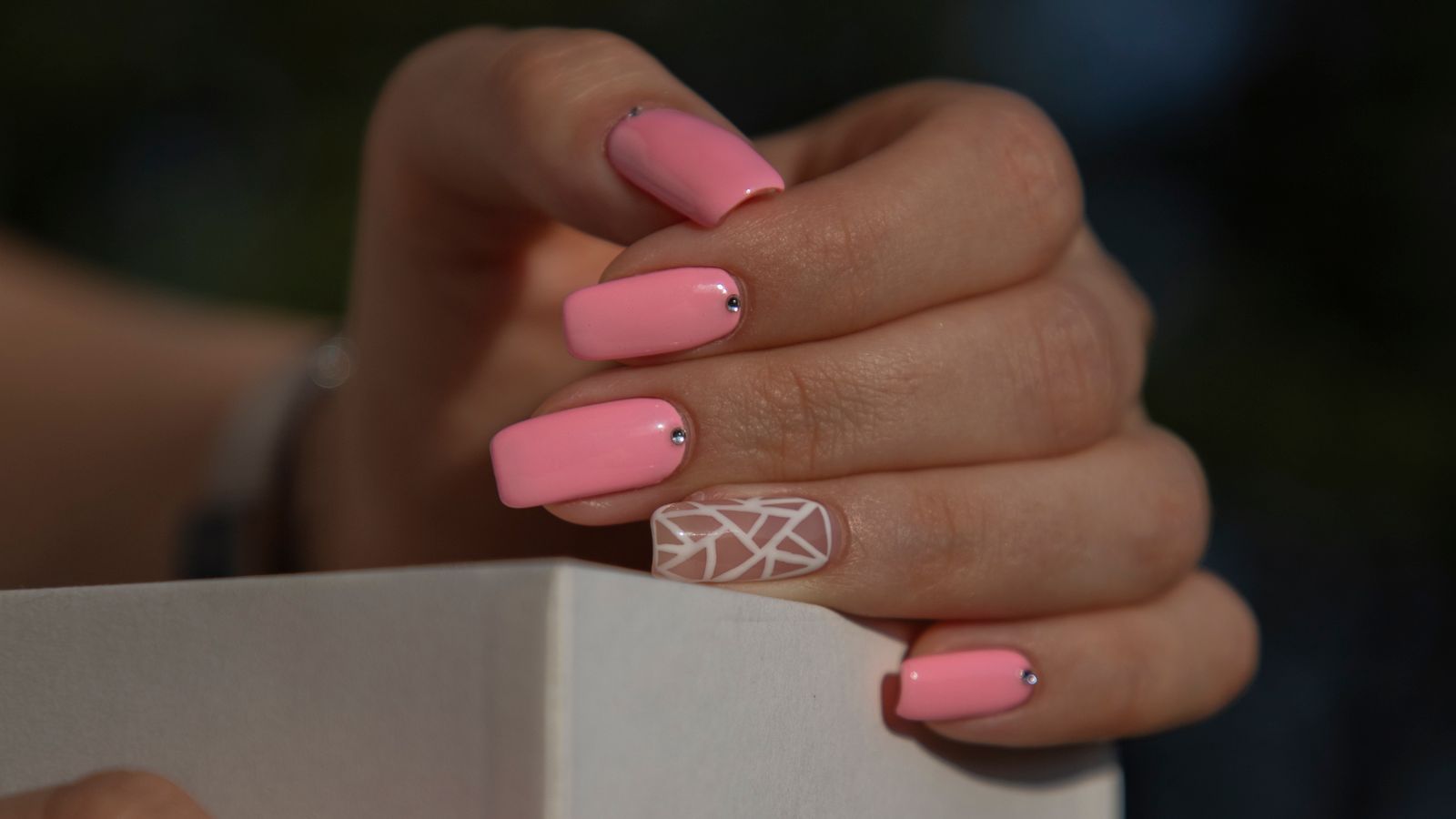
Design and Color Didn't Match What Was Promised, Plus Mismatched Nail Shapes at Snazzy Nail Lounge
A client says she confirmed a design and chrome color with the technician beforehand, only to learn mid-service that a key color wasn't available, and one hand was shaped differently than the other. A look at what happens when expectations aren't checked against reality.

Savannah Historic District Resort Spas Expand Weekend Wellness Packages
Savannah historic district resort spas are expanding multi-day wellness packages aimed at weekend travelers looking for a relaxation-focused alternative to the district's traditional walking tours.

Savannah Spa Introduces Personalized Skincare Consultations Using Skin Analysis Tech
A Savannah spa is using digital skin analysis technology to build personalized skincare regimens for clients, replacing generic product recommendations with data-driven plans.