Long Wait, a Dismissive Front Desk Response, and a Delayed Start for an Acrylic Removal at The Nail Bar Buckhead
A client says she waited roughly forty minutes total for a simple acrylic removal and was met with a curt response when she asked for an update. A look at wait time communication and front desk courtesy at The Nail Bar Buckhead.
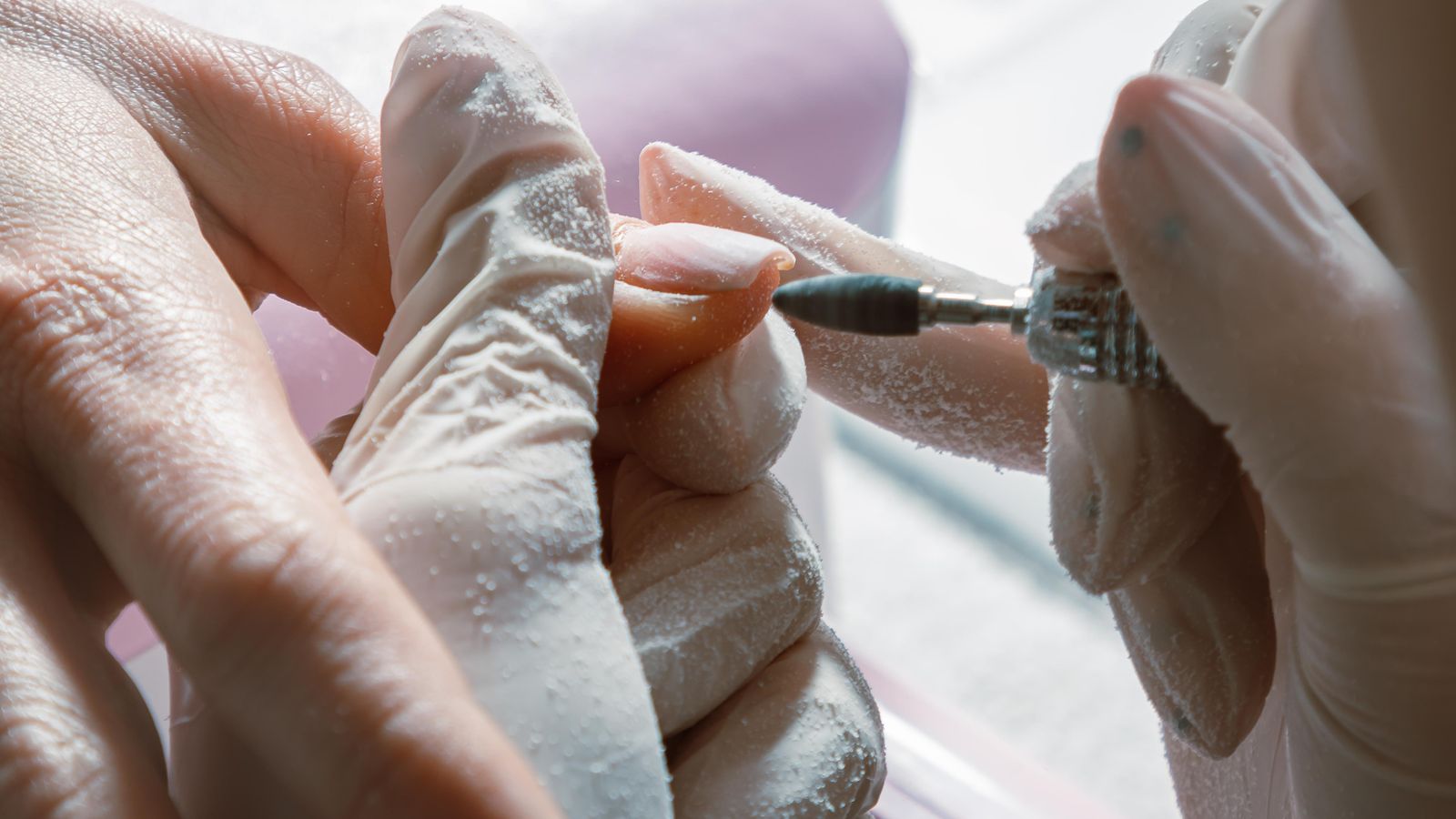
A client's visit to The Nail Bar Buckhead for what should have been a quick, simple service, an acrylic removal, turned into a lesson in how much wait time communication shapes a client's overall impression. She described waiting more than twenty minutes at the front desk without being acknowledged, then another fifteen to twenty minutes before the actual soak-off began. The service itself was never the problem in her account; how the wait was handled was.
A Long Wait With No Update
The client's first frustration was simple: she stood at the desk for over twenty minutes without anyone letting her know she had been seen or giving her a sense of how long the wait might be. Most clients can accept a busy salon and a genuine wait, but what tends to erode patience is silence. A quick "we see you, it will be about fifteen minutes" costs almost nothing to say and changes how a wait feels entirely. Training front desk staff to proactively check in with waiting clients, even with a brief glance and a time estimate, rather than waiting to be asked, is one of the lowest cost improvements a salon can make.
Tone at the Front Desk
When the client did ask for an update, she said the response was a curt "give me a minute." Even if the desk was genuinely overwhelmed in that moment, the tone of a response often matters as much as the information in it. A brief, respectful phrase, something like "thanks for waiting, I will be right with you," takes no more time to say than a dismissive one but leaves a completely different impression. Front desk staff are often the busiest and most stretched people in a salon, which makes it worth building a couple of short, ready-made phrases into training specifically for moments of high pressure, so courtesy does not depend on how stressed someone feels in the moment.
Starting a Passive Step Promptly
The client also pointed out that acrylic removal is largely a passive process, soaking rather than active technician time, and felt it could have started well before it did. She noted that other clients who arrived after her did not appear to face the same wait. Whether or not there was a specific reason for the order of service, the perception of being passed over is difficult to shake once it sets in. A visible, simple system for tracking arrival order, even a shared list at the front desk, helps staff sequence work fairly and gives them something concrete to point to if a client asks why someone else was seen first. Starting passive steps like a soak as early as possible, even before a technician is free to actively assist, also shortens the client's actual time in the chair and signals that her time is being respected.
Editorial Perspective
This case offers three clear lessons. First, proactively communicating wait times, even briefly, prevents most of the frustration that builds up during a busy period. Second, the tone used when responding to a client, especially under pressure, shapes their experience as much as the substance of the answer, so front desk staff benefit from a few practiced, courteous responses for stressful moments. Third, sequencing service steps thoughtfully, starting passive parts of a service as soon as possible and tracking arrival order transparently, helps avoid the impression that some clients are being prioritized over others for no clear reason.
More in Beauty & Wellness
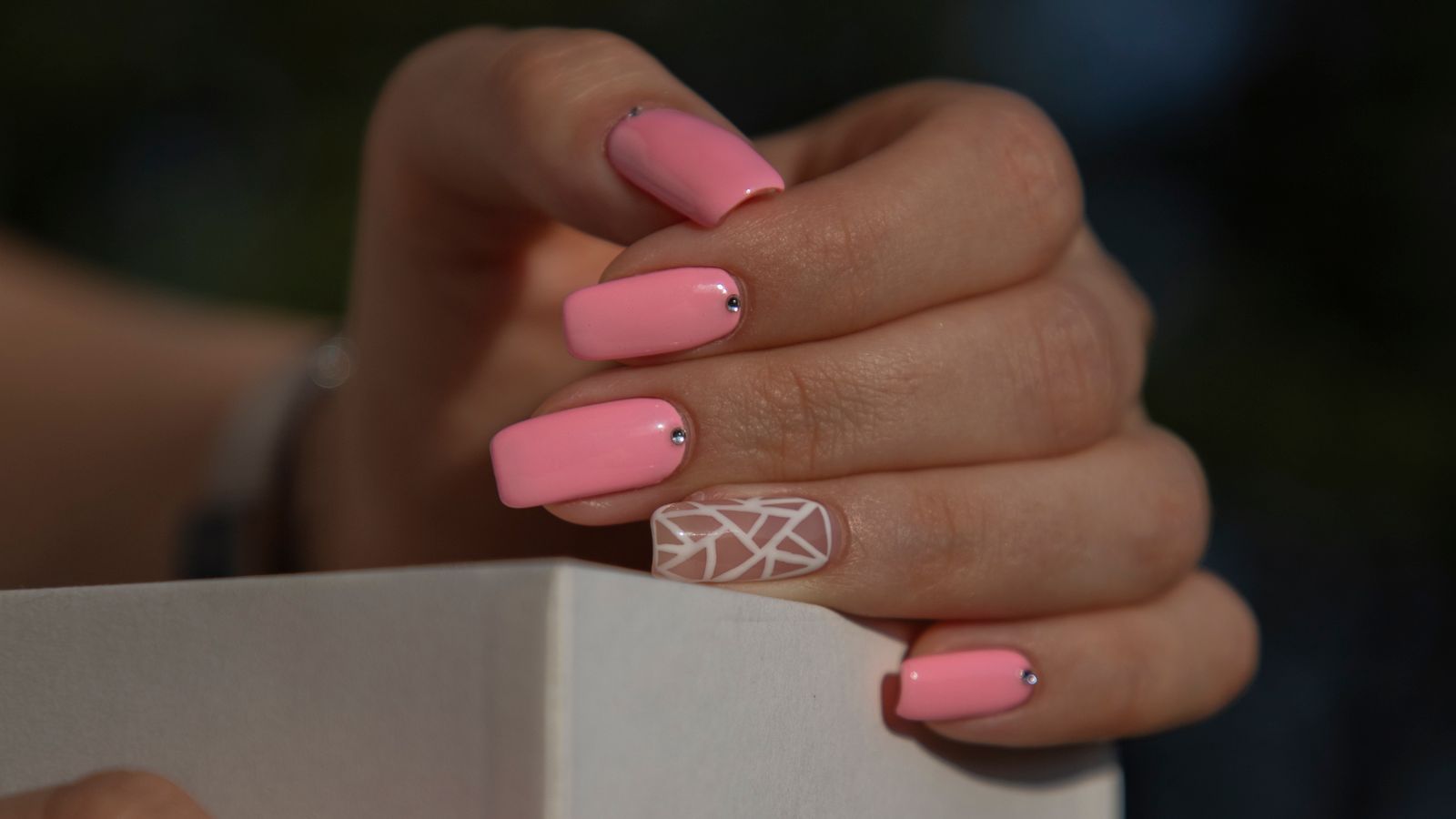
Design and Color Didn't Match What Was Promised, Plus Mismatched Nail Shapes at Snazzy Nail Lounge
A client says she confirmed a design and chrome color with the technician beforehand, only to learn mid-service that a key color wasn't available, and one hand was shaped differently than the other. A look at what happens when expectations aren't checked against reality.
Inconsistent Prices and a Hidden Gel Charge Leave a Returning Customer Feeling Overcharged at Buckhead Nail and Toe Spa
A longtime customer felt prices were applied unevenly, paid $90 for a pedicure after an unmentioned $20 gel charge, and learned other clients paid less for more design work. A look at clear, consistent pricing and disclosing what a service includes.
Savannah Historic District Resort Spas Expand Weekend Wellness Packages
Savannah historic district resort spas are expanding multi-day wellness packages aimed at weekend travelers looking for a relaxation-focused alternative to the district's traditional walking tours.